

Now Enrolling Cohort 8
Overview
Cohort 8 is part of the ENDEAVOR study evaluating delandistrogene moxeparvovec (SRP-9001) for individuals living with Duchenne muscular dystrophy (DMD) who are non-ambulatory.
What makes cohort 8 unique is the use of sirolimus, an immunosuppressant, given before and after the gene therapy infusion.
The purpose of cohort 8 is to specifically evaluate whether adding sirolimus in addition to corticosteroids can improve the safety of delandistrogene moxeparvovec in non-ambulatory individuals with DMD. Sirolimus is being evaluated to see if it can help reduce the risk of liver problems.
About Duchenne Muscular Dystrophy
Duchenne muscular dystrophy is a genetic condition that primarily affects males, causing muscles to become weaker over time. It is caused by a change (error) in the dystrophin gene. This change impacts the body’s ability to make enough dystrophin, a crucial protein that protects muscle cells. Over time, the lack of dystrophin impacts the muscles used for movement, breathing, and heart function.
There is currently no cure for Duchenne.
About delandistrogene moxeparvovec & Gene Therapy
Delandistrogene moxeparvovec is a gene therapy treatment approved by the FDA for ambulatory boys 4 years of age and older with Duchenne muscular dystrophy who have a confirmed mutation in the DMD gene.
Delandistrogene moxeparvovec works by delivering a version of the dystrophin gene into the muscle. There are three components to delandistrogene moxeparvovec: a vector, promoter, and transgene. They all work together (like a ship) to deliver the gene therapy and instruct the muscle cells to produce micro-dystrophin.
- The vector is the ship itself; it carries the instructions to make the desired protein through the body and aims to deliver it into the muscle cell like a ship reaching land.
The vector used in this study is known as rAAVrh74.
- The micro-dystrophin transgene is like cargo in a ship. The transgene teaches the body to make a new, shorter version of dystrophin that is similar to the body's natural dystrophin
- The promoter functions like the captain of a ship. Like a captain commanding orders, the promoter aims to instruct the muscle cells to produce the protein.

Who Can Participate
Cohort 8 is enrolling non-ambulatory individuals with Duchenne. To be eligible, you must meet specific requirements.
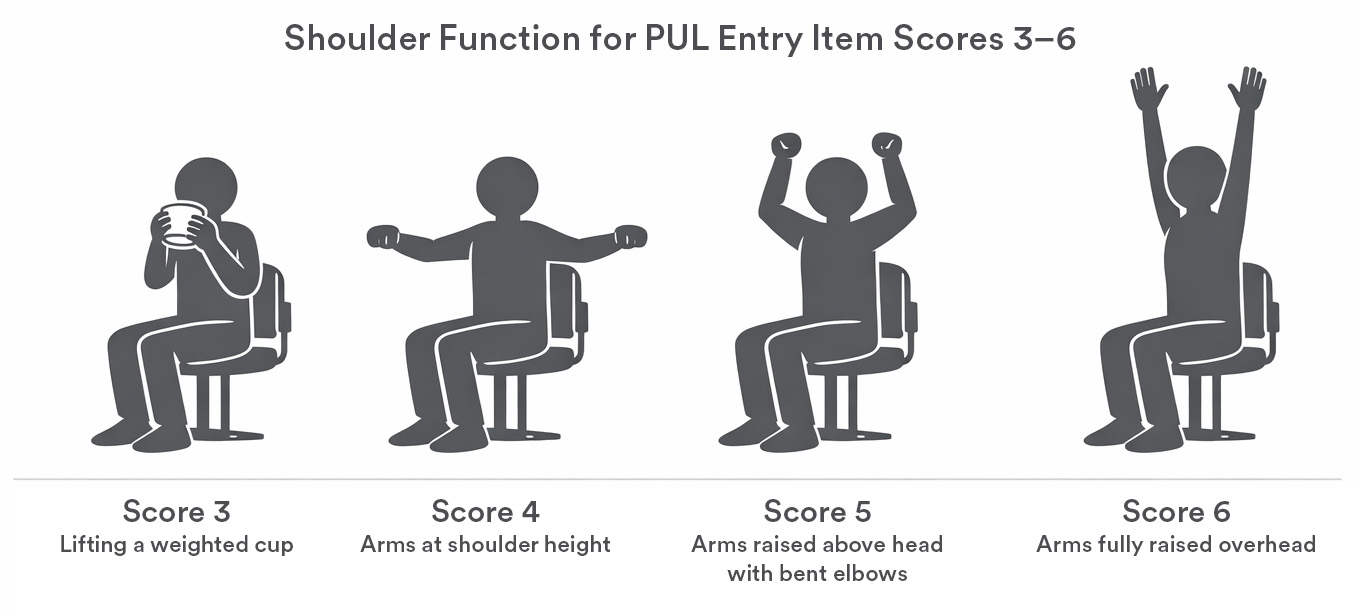 Inclusion:
- Male & non-ambulatory for a minimum of 3 months
- NSAA walk score of “0” and inability to perform 10MWR at Screening visit
- Have a confirmed diagnosis of DMD based on documented clinical findings and prior genetic testing
- Have a total Performance of Upper Limb (PUL) score between 20-40 on the PUL assessment
- Be able to raise hands to mouth without support (PUL entry score ≥3)
- Have rAAVrh74 antibody titers ≤1:400
- Be willing and able to participate in all study visits
Exclusion:
- Treatment with any of the following therapies according to the specified time frames:
- Any time:
- Gene therapy
- CRISPR/Cas9, or any other form of gene editing
- Within 4 weeks of Day 1 and anytime during the study:
- Use of human growth factor or givinostat
- Within 6 months of Day 1 and anytime during the study:
- Any investigational medication
- Cell based therapy (eg, stem cell transplantation)
- Any time:
- Any confounding factors that would prevent the use of oral sirolimus including a known hypersensitivity to sirolimus or any of its excipients
Additional requirements for participation may apply and will be discussed during the screening process.
What Happens During the Study
If you are interested in participating, the study doctor will explain the study’s procedures and requirements in detail, answer your questions, and give you an Informed Consent Form to read.
Screening/Baseline period:
Informed Consent Form, eligibility check, antibody test, baseline testing, and sirolimus administration
*Sirolimus will be started prior to the delandistrogene moxeparvovec infusion, and blood levels will be checked regularly during screening to assess medication levels.
Delandistrogene Moxeparvovec Infusion:
One time intravenous infusion of delandistrogene moxeparvovec
Follow-up Period:
You will be monitored very closely by the study doctor and staff. Continued safety checks and health assessments will include the following:
- Frequent liver health checks
- Tracking of immune response
- Heart checks
- Muscle changes via biopsy
- Routine physical exams
- Functional assessments
- Blood draws
Participate
ENDEAVOR Cohort 8 is taking place in the United States. Please connect with a SareptAlly Patient Navigator to identify a site closest to you.
SareptAlly is a global program designed to help patients, families, and physicians gain access to resources and information about Sarepta clinical trials and potential treatment options. Please note that screening and enrollment is at the discretion of the study doctor and not SareptAlly Patient Navigators.
Frequently Asked Questions
-
Why is cohort 8 investigational?
Cohort 8 is being investigated because it is testing new safety measures and an immunosuppressant regimen in a specific patient population. Cohort 8 is adding sirolimus before and after delandistrogene moxeparvovec to see if it can help reduce the risk of liver problems, which have been seen in some non-ambulatory individuals. Cohort 8 is evaluating the investigational use of sirolimus in combination with delandistrogene moxeparvovec. This combination has not been clinically established, and its safety and effectiveness are being studied for the first time.
-
Why is sirolimus being used?
Based on early research and clinical experience, sirolimus is being studied to evaluate whether it may reduce the risk of liver complications following gene therapy.
-
Are clinical research studies safe?
While clinical research may offer the chance to try an investigational treatment, there are also risks to consider: The investigational treatment may
have side effects, including potentially very serious ones. The investigational treatment may not work for everyone in the study. Clinical research studies are performed according to strict government and ethical principles. These guidelines help ensure that participants’ rights are protected while study information is collected. All participants in a clinical study will be supported and closely monitored by a dedicated study team, whose members include qualified healthcare professionals and others trained in clinical research, and who have committed themselves to the safety and wellbeing of those involved. -
How long will I be in the study?
Approximately 77 weeks (1.5 years) with weekly clinic visits for the first 12 weeks post delandistrogene moxeparvovec infusion.
-
Why does the study drug have multiple names?
Drugs in development may be referred to in different ways depending on where they are in the research and approval process. In early research, a drug has a code name. As it moves closer to approval, it receives a universal scientific (generic) name. After it is approved, the company assigns a brand name for use in marketing and prescribing.
Example:
Preclinical / Code Name: SRP‑9001
Generic (Scientific) Name: delandistrogene moxeparvovec
Approved Brand Name: ELEVIDYS -
Is there a placebo in this study?
No, there is not a placebo.
-
Why should I take part?
A clinical research study is an important step towards finding potential treatments in the future. This study may allow for a better understanding of the safety and efficacy profile in non-ambulatory patients, and overall will help researchers understand Duchenne muscular dystrophy better.
-
Are there side effects or downsides?
There are risks, discomforts, and inconveniences associated with any research study. These deserve careful thought. All participants taking part in the study will be carefully watched for side effects; however, study doctors do not know all the side effects that may happen. The study doctor/team will review known side effects with the individual upon consent. Your study team may give you additional medicines or other treatments to help reduce side effects. Side effects may be severe. In some cases, side effects can be long-lasting or even fatal. Anyone considering participating in a study should carefully discuss potential risks and benefits with their doctor.
-
Can I still see my regular doctor(s)?
Yes, you can still see your regular doctor(s) while participating. It is encouraged for you to continue to follow up with your regular doctor(s) for routine care. The study doctor will manage your study-related treatment and tests.
-
What is an antibody and why would someone have antibodies to rAArh74?
Antibodies are proteins in the blood that the body develops to help fight off an infection. Antibodies are an important part of building immunity. Once they develop, antibodies often remain (to some extent) in a person’s body and could help fight off the same or similar infection in the future.
A participant will not be eligible for ENDEAVOR due to having elevated antibodies to rAAVrh74. Because adeno-associated viruses (AAVs) are found in nature, it’s possible that a person has been exposed to the AAV virus and formed antibodies. This is known as seropositivity. If that’s the case, antibodies will be present prior to delivering gene therapy. These antibodies can potentially hinder the effectiveness of the study drug and pose a safety concern if the immune system recognizes the vector as a virus and attacks it, like how the immune system works against naturally occurring viruses.Participants will be tested for antibodies to rAAVrh74 via blood work during the screening process. To learn more about antibodies and seroprevalence click here.
-
Are there costs for me, and what is covered by the study?
The study Sponsor will cover all study related drug costs, study procedures, and assessment. You may be eligible for stipends to offset some costs that may be associated with study participation (like childcare costs). You will be reimbursed for meals, travel, and lodging in accordance with the travel policy for this study.
-
What is your travel policy?
You will be reimbursed for routine travel expenses (transportation, mileage, parking) and overnight stays in accordance with the travel policy.
Cross-border participants may be considered on a case-by-case basis if:
- There are no travel or relocation restrictions between countries.
- The participant/family can relocate on their own and reside close to a study site
- The study doctor confirms there are no barriers to direct communication with the patient and/or caregiver
The study team will review the travel policy and its specific details at or before the screening visit.
-
Who will have access to my information?
Your protected health information will be carefully protected in accordance with local laws. Any information gained from this study may be used for publishing results. However, this information will be combined with other data and will not be used to identify you specifically.
-
What happens at the end of the study?
At the end of the study, participants may be eligible to take part in a long‑term extension study. Eligibility is based on specific study criteria, and participation is voluntary. The long‑term extension study is designed to collect additional information on the safety and effectiveness of delandistrogene moxeparvovec over time.
For additional questions relating to data or what happens to data at the end of the study, please reference Sarepta’s Data Transparency Policy.
-
Can I leave the study early?
Participants can leave the study at any time without reason. Your decision will not impact present or future medical care. However, if you’ve received the delandistrogene moxeparvovec infusion, it is in your best interest to allow the study doctor to continue to monitor your health.
-
Who can I contact to learn more?
To learn more about the study, please contact a SareptAlly Patient Navigator.
For additional information on the study, including site locations, please visit clinicaltrials.gov (NCT04626674).